Garage Door Motor & Opener Repairs Perth
When your garage door opener stops responding to remotes, makes a grinding noise, or reverses immediately after touching the floor, you don't always need to buy a brand new motor. Many automated opener issues are caused by repairable components, such as a stripped nylon drive gear, a blown capacitor, misaligned safety sensors, or out-of-calibration travel limits.
At Jim's Garage Doors Perth, we carry a full inventory of replacement parts for all major Australian garage door motor brands, including Merlin, B&D, ATA, Chamberlain, and Gliderol. We diagnose the circuit board, gear assembly, and mechanical limits first, offering a repair-first approach that saves you money.
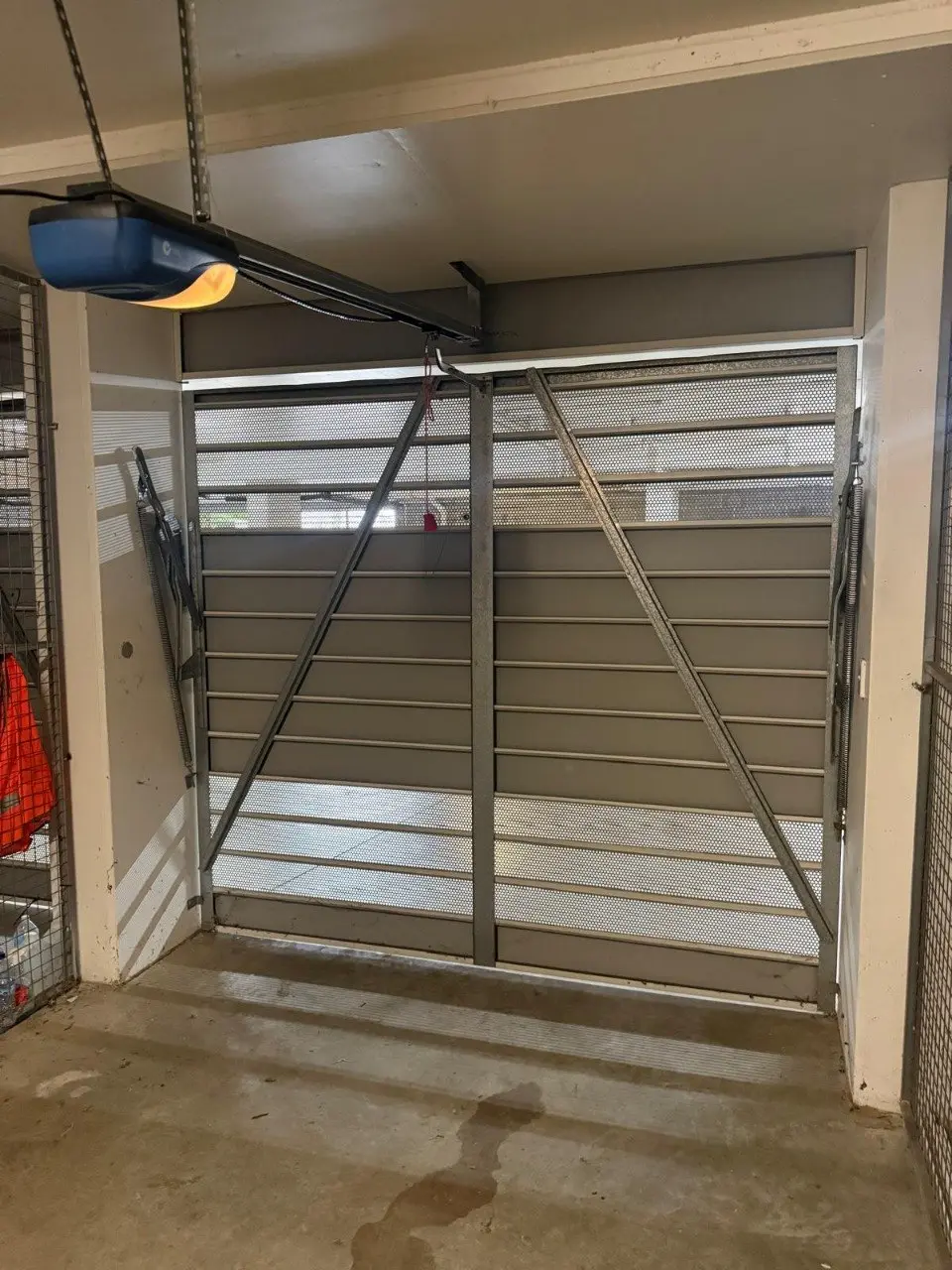
Why is My Garage Door Opener Humming But Not Opening?
A humming motor without door travel is typically caused by a failed start capacitor, a stripped drive gear inside the casing, or an engaged manual release cord. The motor is drawing power but cannot turn the drive sprocket or handle the door weight.
If you pull the manual release cord and the door opens easily by hand, the issue lies within the motor gears or electronics. If the door is extremely heavy to lift by hand, the problem is likely a broken torsion spring rather than a motor failure. Our technicians perform diagnostic checks to isolate the exact cause before replacing parts.
Common Motor & Opener Faults We Diagnose
⚙️ Stripped Drive Gears
Common in older chain-drive units. The nylon gear teeth shave off from friction or door imbalance. The motor runs with a whirring/grinding noise but the chain does not move.
⚡ Blown Logic Boards
Perth's summer electrical storms or power surges can fry the sensitive electronic components on the circuit board, causing complete loss of power or erratic behavior.
👁️ Safety Sensor Malfunction
If the safety infrared sensors near the floor are misaligned, dirty, or have damaged wiring, the door will start to close and immediately reverse, accompanied by flashing motor lights.
Brands We Service & Support
We carry replacement transmitters, drive gears, receivers, and logic cards compatible with Australia's leading automation systems:










Should You Repair or Replace Your Garage Motor?
Determining whether to service or replace your automatic motor comes down to three main factors:
- Age of the Motor: Garage door openers have an operational lifespan of 10 to 15 years. If your unit is older than 12 years and experiences a major gear or board failure, upgrading to a modern system is generally more cost-effective.
- Safety Standards: Older motors lack modern rolling-code security (preventing remote signal hacking) and sensitive force-reversing systems. Modern openers feature quiet belt-drives, auto-reverse sensitivity, smartphone monitoring, and battery backups.
- Structural Balance: If your door is poorly balanced or has broken springs, it drags down the motor. We always verify the mechanical integrity of the door before performing motor repairs.
Common Automated Systems We Service
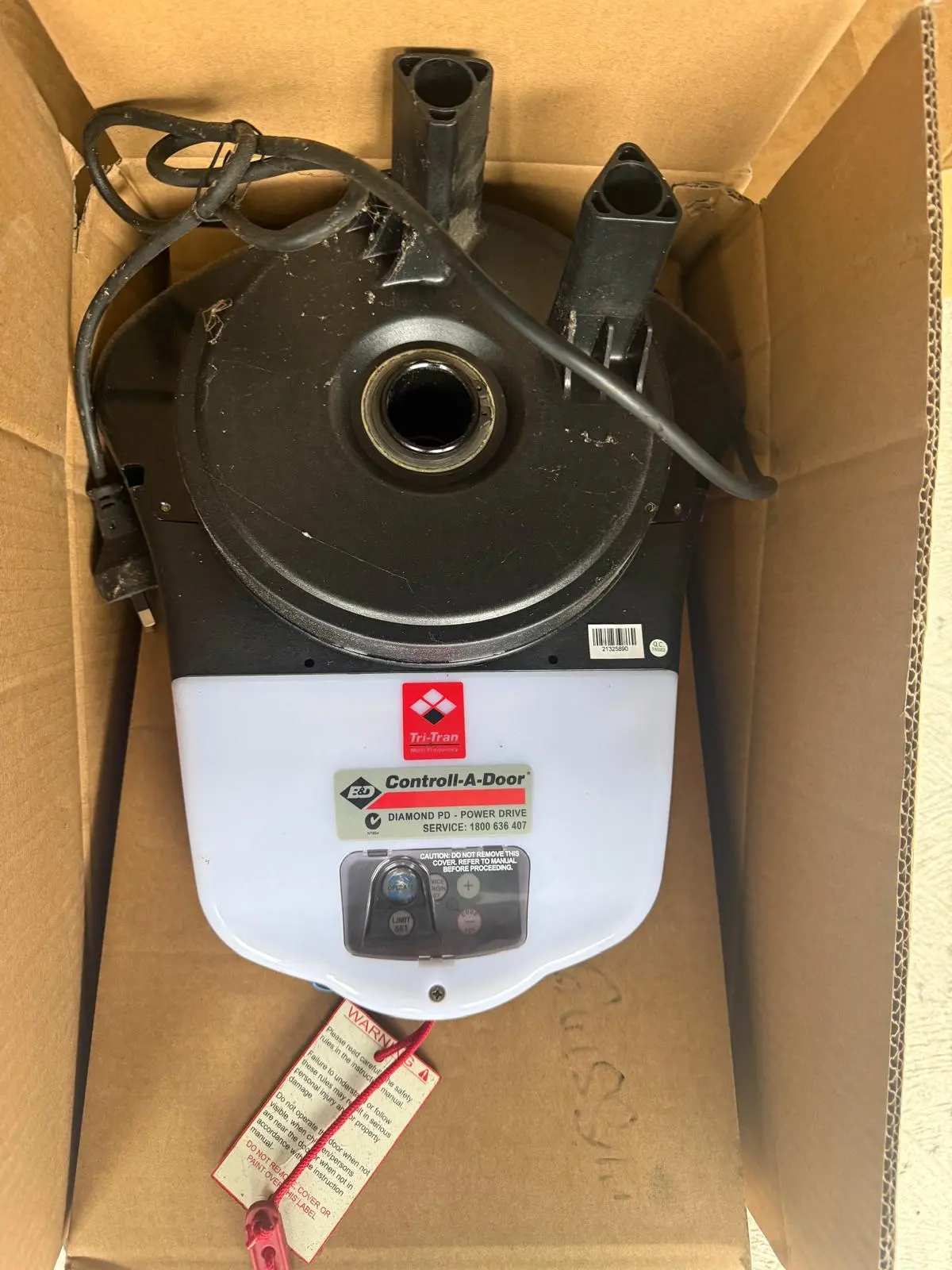
B&D Control-A-Door
Standard and diamond series sectional/roller motor systems.
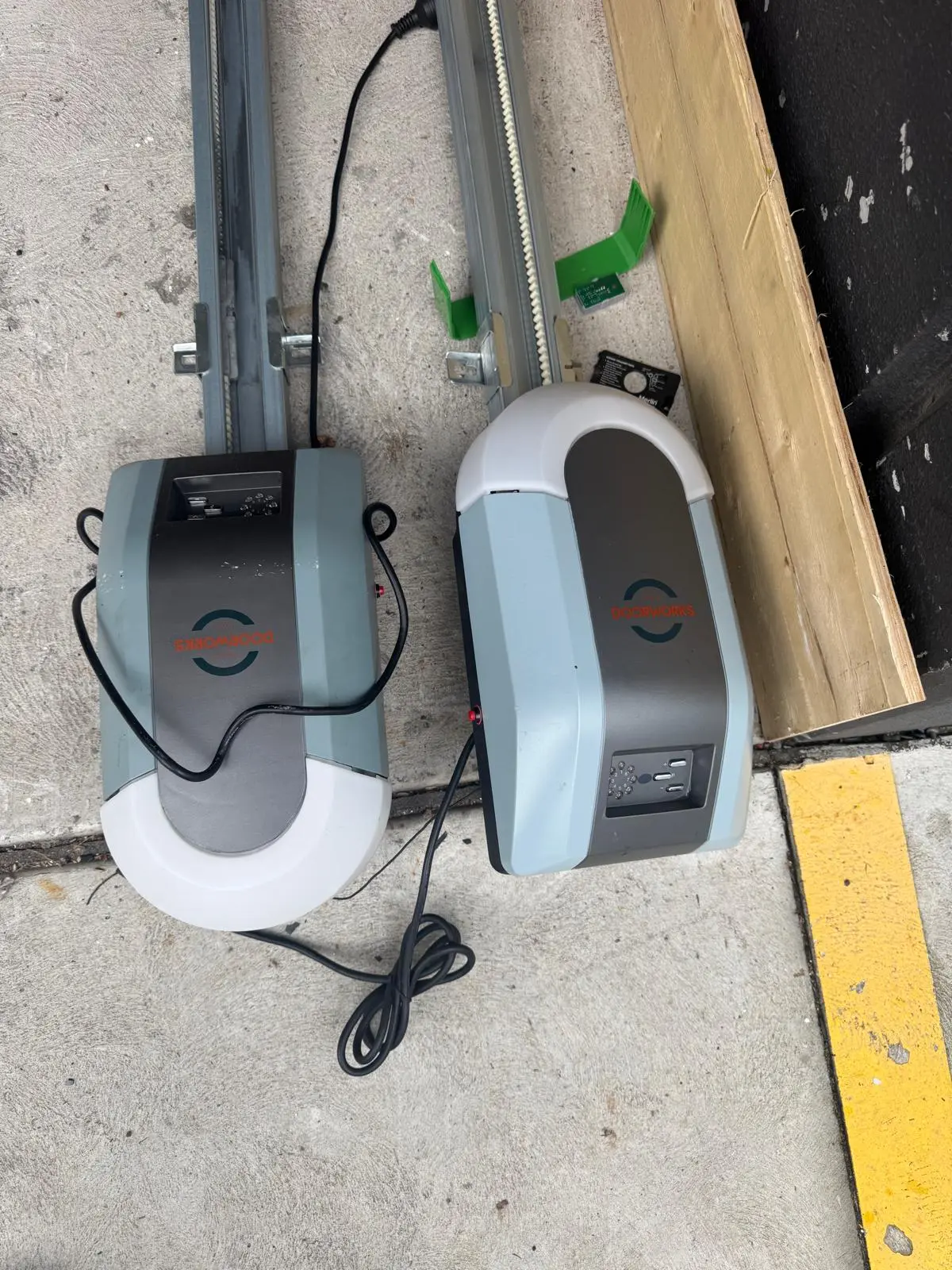
Doorworks Openers
High-reliability residential belt-drive sectional systems.
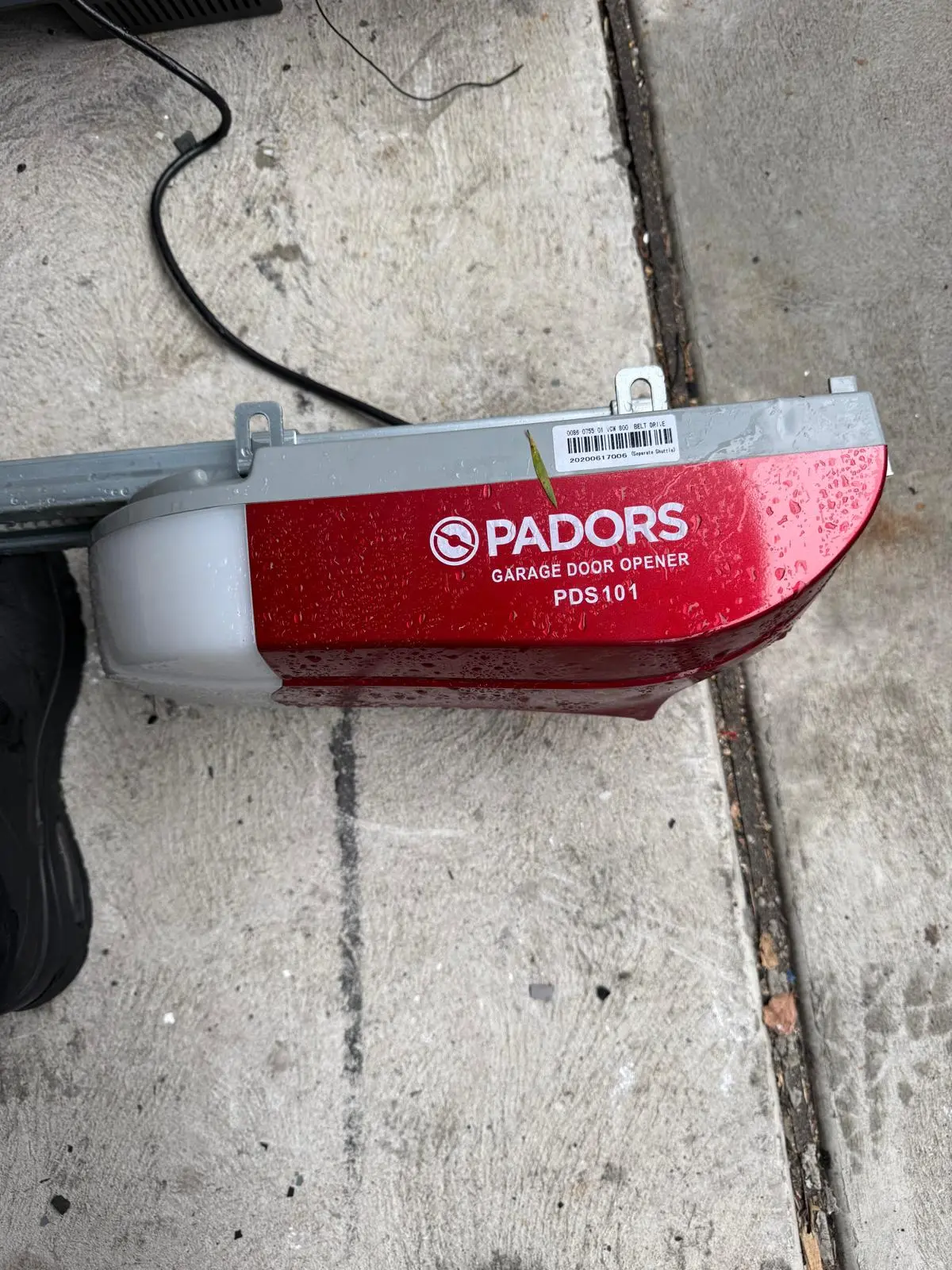
Padors PDS101
Compact residential openers and transmitter programming.
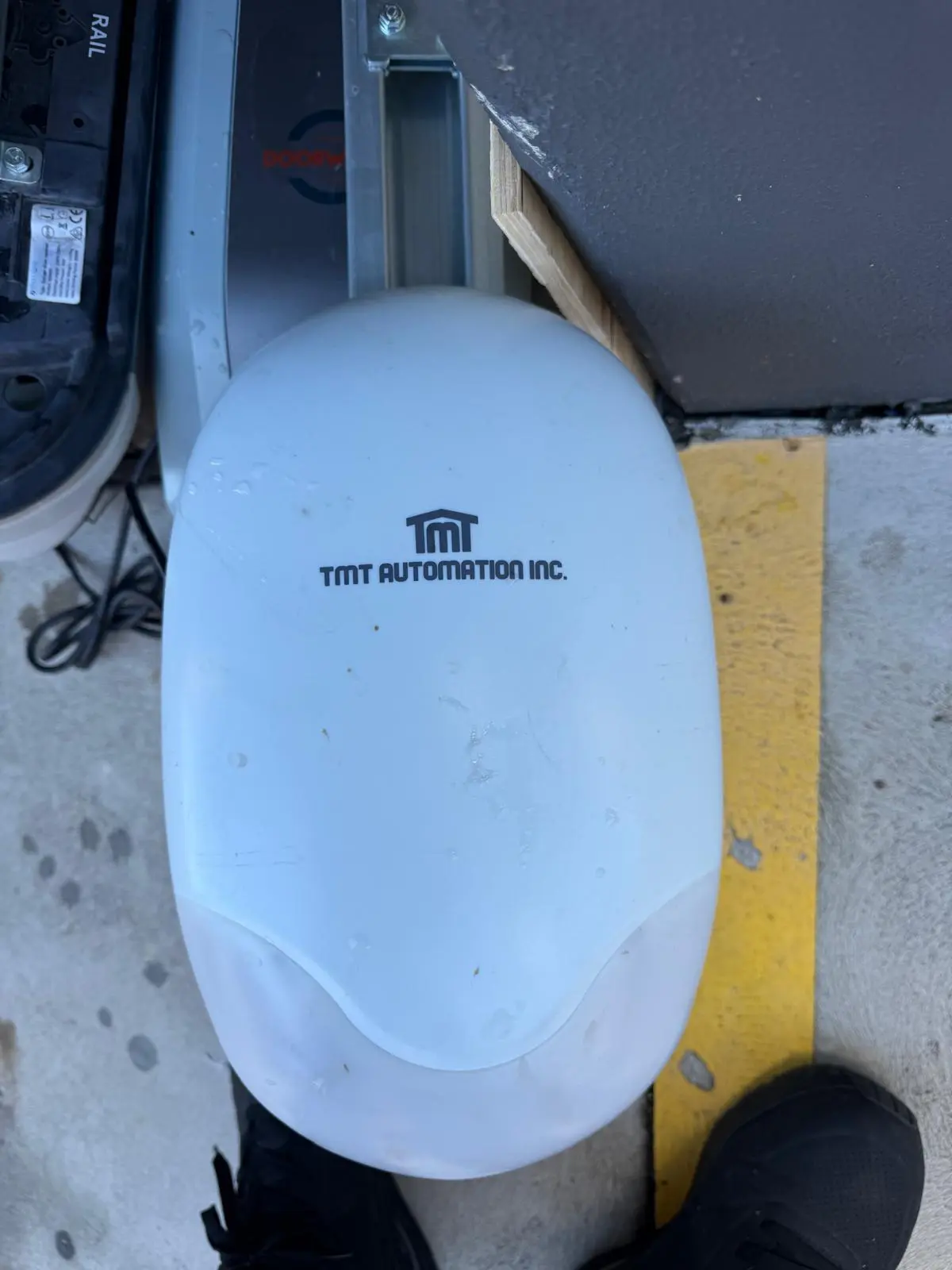
TMT Automation
Modern quiet belt-driven motors and smart home Wi-Fi controllers.
⚠️ Warning: Never Hold Down the Remote Button to Force a Jammed Door
If your door stops and reverses, there is a mechanical obstruction or a safety sensor fault. Continuous attempts to force the door closed by holding down the button will strain the motor winding, overload the circuit board, and can strip the nylon gears, turning a minor adjustment into an expensive replacement.
💡 Pro Tip: Clean Your Safety Sensor Lenses
A large percentage of "motor won't close" calls are solved by simply wiping the safety sensors. Cobwebs, dust, and dried salt spray on the sensor lenses block the invisible infrared beam, tricking the motor into thinking an object is under the door. Use a clean microfiber cloth to wipe both lenses.